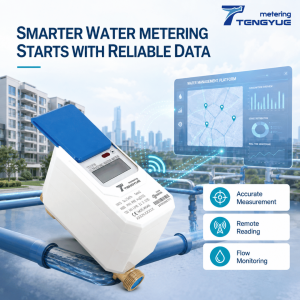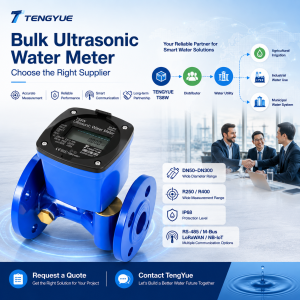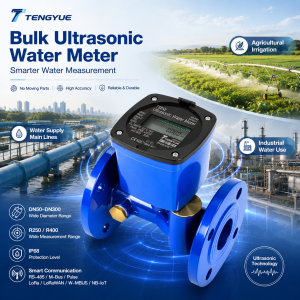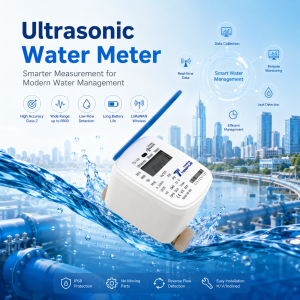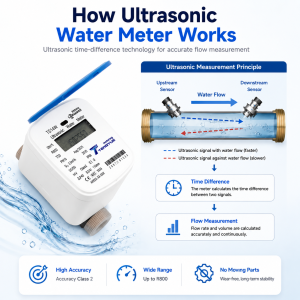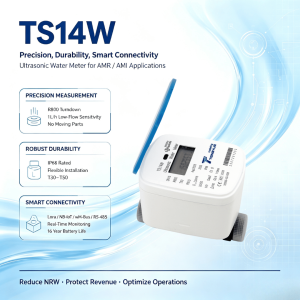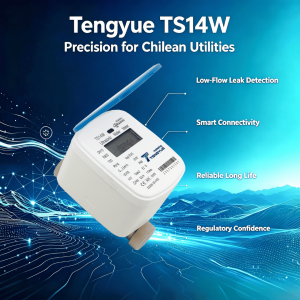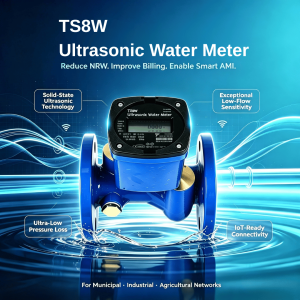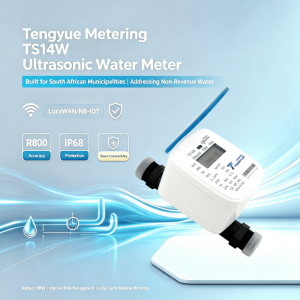
TS14W Ultrasonic Water Meter: Engineered for South African Municipalities
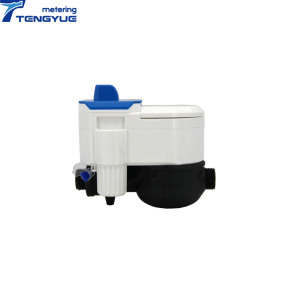
Combat South Africa‘s 47% NRW with Tengyue TS14W: R800 range ratio, IP68, LoRaWAN (868 MHz), SABS 1529-compliant. Engineered for municipalities. Request a quote.

Combat South Africa‘s 47% NRW with Tengyue TS14W: R800 range ratio, IP68, LoRaWAN (868 MHz), SABS 1529-compliant. Engineered for municipalities. Request a quote.

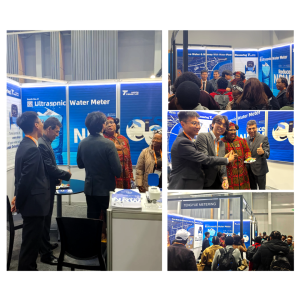
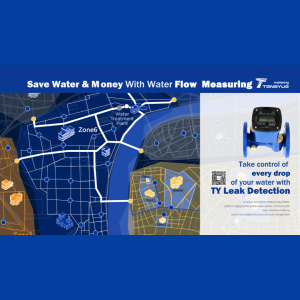
Hon. Pemmy Majodina, Minister of Water and Sanitation, and WISA CEO Lester Goldman visited Tengyue Metering at WISA 2026. Live demos of TY Leakage Monitoring System showcased practical NRW solutions for Southern Africa. Discover how smart metering can cut water loss and boost revenue.

For water utilities, Non-Revenue Water (NRW) usually triggers one instinct — find the leak. But if you’ve been managing water networks for any length of time, you know it’s rarely that straightforward. Real losses from pipe bursts and cracks. Apparent losses from meter under-registration, data entry errors, and theft. Unbilled

Tomorrow, Cape Town will host one of Africa’s most important water gatherings—the WISA Biennial Conference and Exhibition 2026. From 22 to 24 July, the city’s Convention Centre will be buzzing with water professionals, utilities, and innovators from across the continent and beyond. And we at TY Metering are packing our

In many international residential projects, water meters are located in hard-to-access underground manholes, basement vaults, or behind thick concrete walls. For utilities, this creates a logistical nightmare and a safety hazard—health guidelines often require two staff members to enter a shaft to take a single reading. The Connectivity Challenge While

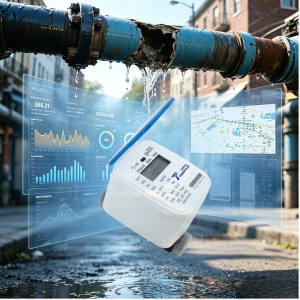
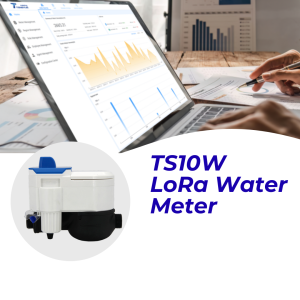
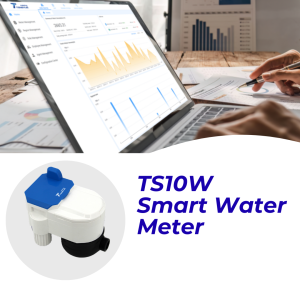
For water utilities across Southeast Asia, the Middle East, and Latin America, NRW (Non-Revenue Water) typically accounts for 25% to 40% of total production. Every ton of water lost is pure profit evaporating into the ground. The TS10W compact LoRa remote-reading water meter is more than just a meter—it’s a

For water utilities across Southeast Asia and Latin America, Non-Revenue Water (NRW) remains the single biggest operational headache. Manual meter reading in densely populated or hard-to-reach areas is not only expensive—it’s a major source of data inaccuracies and undetected leaks. A recent study showed that with only six personnel assigned

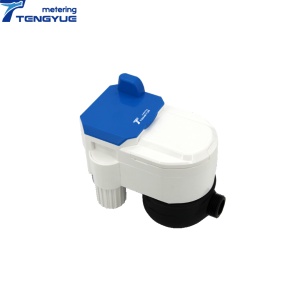
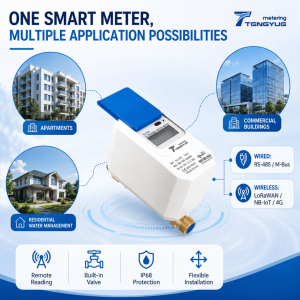
For housing developers and municipal water departments, the business case for smart metering often comes down to one thing: ROI. While the benefits of automated billing are clear, the initial investment in hardware and network infrastructure can be a barrier. The TS10W smart water meter is specifically engineered as a

Access to clean water remains a daily challenge for millions across Africa. In many underserved communities, residents rely on expensive water vendors — paying up to 20 times the official utility tariff . Others depend on unreliable public taps with long queues and frequent breakdowns. Utilities lose revenue. Communities pay

Across Africa, millions of households are not metered. They pay flat rates — often based on estimates that bear no relation to actual consumption. In Johannesburg, 99,000 “deemed customers” in Soweto, Alexandra, and Orange Farm are billed a flat rate for 10 to 20 kiloliters, but investigations show actual consumption

In Johannesburg, non-revenue water (NRW) has reached 44.8% — nearly half of all treated water produces no revenue. In Malawi, NRW ranges from 26% to 46%, with the Blantyre Water Board losing over half of its water. In Kenya, 76 water firms lost 204 billion liters of unbilled water in

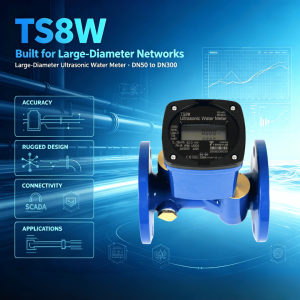
Large-diameter pipelines — the arteries of your distribution network — are the hardest places to find leaks. A pinhole crack in a 200mm main can waste thousands of gallons per day, but traditional mechanical meters often cannot see it. Their start-up flow is too high. The slow leak simply passes

Large-diameter pipelines — the arteries of your distribution network — are the hardest places to find leaks. A pinhole crack in a 200mm main can waste thousands of gallons per day, but traditional mechanical meters often cannot see it. Their start-up flow is too high. The slow leak simply passes

A bulk water meter installed on a main supply line serves hundreds or thousands of customers. When it loses accuracy, the entire downstream billing is wrong. And yet, most large-diameter mechanical meters start drifting within five to seven years. Moving parts wear out. Turbines and pistons spin millions of times.

Here is something most utility managers don’t know. When a customer partially closes their upstream ball valve to “save water,” they might be doing the opposite — stopping your meter from measuring at all. Recent independent research tested six ultrasonic water meters from different brands. The finding was striking: at

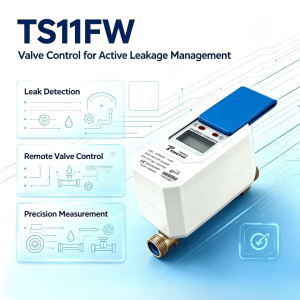
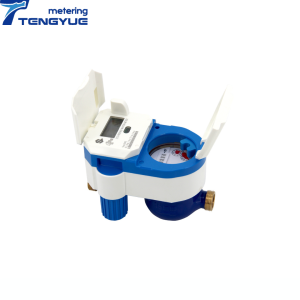
Non-revenue water (NRW) silently drains your utility’s budget. Leaks go undetected. Unauthorized consumption goes unbilled. Mechanical meters under-register at low flows. Every gallon that flows through your pipes but never appears on a bill is revenue you earned but cannot collect. How can a valve-controlled ultrasonic water meter solve this?

Non-revenue water (NRW) silently drains your utility’s budget. Leaks go undetected. Unauthorized consumption goes unbilled. Mechanical meters under-register at low flows. Every gallon that flows through your pipes but never appears on a bill is revenue you earned but cannot collect. How can a valve-controlled ultrasonic water meter solve this?

TengyueMetering has recently officially obtained CMMI Level 3 certification. As an internationally recognized authoritative standard for evaluating the R&D maturity and project management capabilities of software enterprises, this certification indicates that the company has reached internationally advanced levels in core areas including software process management, technological R&D, and project delivery. It

Non-revenue water (NRW) remains one of the biggest headaches for water utilities worldwide. Hidden leaks, inaccurate metering, and data silos all contribute to wasted water and lost revenue. Join us at WATERTECH CHINA 2026 — June 9–11 at the Shanghai National Convention & Exhibition Center — to discover a smarter way

Here at TY Metering, we hear this from utility superintendents and facility managers all the time. Why do mechanical water meters need to be replaced every few years? Mechanical meters have a predictable failure pattern. The moving parts spin millions of times. Sand and debris accelerate wear. Hard water leaves