
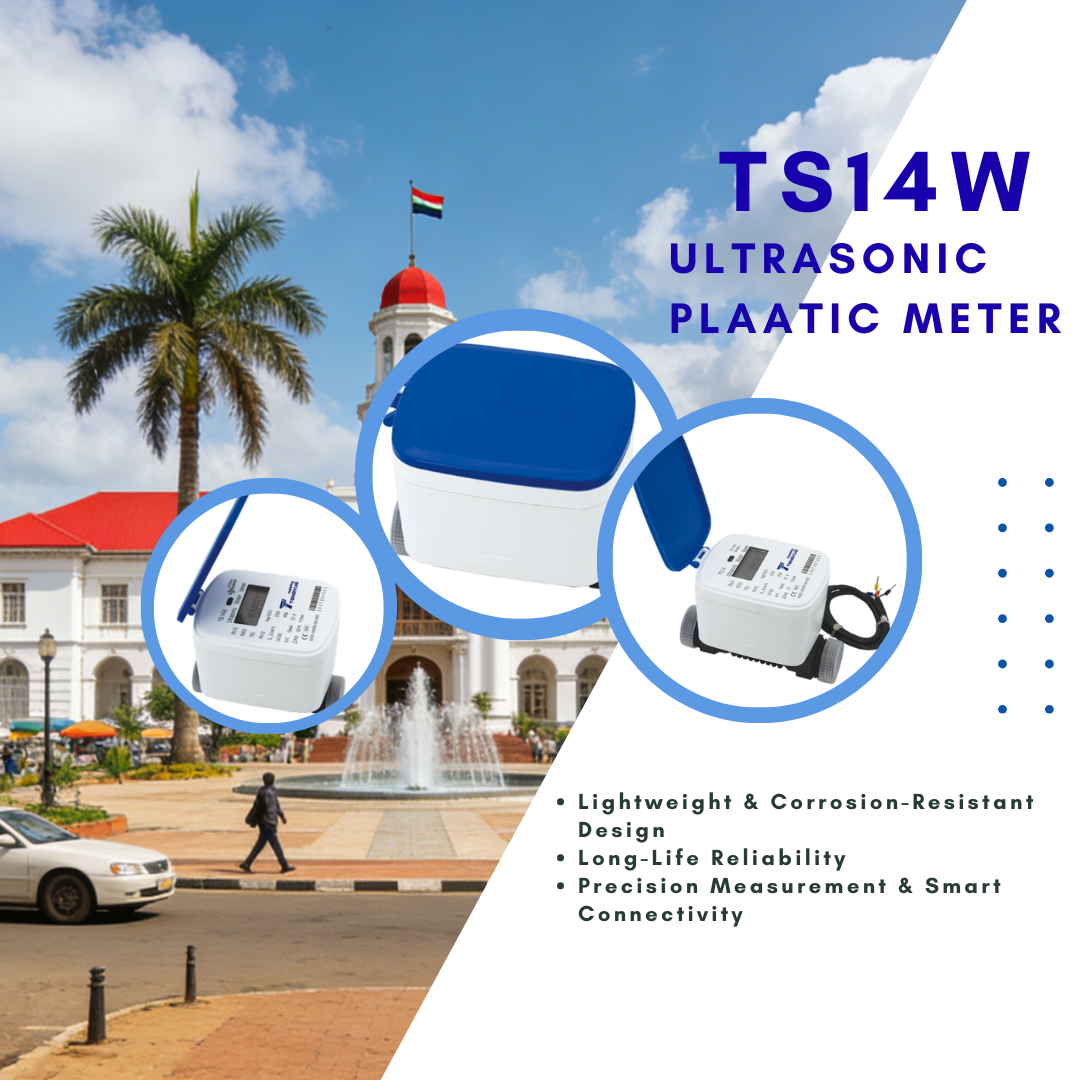
South Africa’s water infrastructure faces critical challenges: aging municipal pipe networks, non-revenue water (NRW) losses exceeding 40% in some areas, and widespread brass water meter theft. As major cities like Johannesburg and Cape Town push for infrastructure modernization, metering technology choices will directly define the long-term success of these upgrades.
For local utilities and municipal engineers, switching to plastic-body ultrasonic water meters is far more than a product replacement—it marks a foundational shift in water measurement, revenue protection and network intelligence management.
The Hidden Costs of Traditional Mechanical Meters
South African municipalities have long used mechanical water meters with valuable brass components, but these devices now carry unsustainable flaws. Brass meters are heavily targeted by thieves, especially in remote areas, causing service disruptions, unbilled water use and heavy budget strain from frequent replacements.
Mechanical meters also lose accuracy over time, as their moving parts (impellers, gears) wear out or jam. Poor low-flow precision leads to unregistered water consumption, worsening revenue losses amid national water scarcity.
Key Advantages of Plastic Ultrasonic Meters
Ultrasonic technology solves these core issues by eliminating all moving parts, with plastic-body designs tailored to South Africa’s municipal needs.
- Theft Deterrence & Operational Efficiency
High-grade engineering plastic replaces brass, removing scrap value and cutting theft risk drastically. The rugged, UV-resistant polymer housing is also lightweight, simplifying transport, installation and cutting labour costs for large-scale rollouts, with no heavy lifting equipment required.
- IP68 Durability for Harsh Local Conditions
These meters carry an IP68 waterproof rating, functioning reliably even when fully submerged, and resist corrosion, heat and high pressure. Their lifespan spans decades, far longer than standard mechanical meters, reducing replacement and maintenance frequency.
- Superior Low-Flow Measurement
Unlike mechanical meters, ultrasonic models detect flows as low as 1-2 litres per hour, capturing small leaks, trickling usage and overnight consumption that previously went unrecorded. This precision enables proactive leak detection and drives major NRW reduction for municipalities.
Smart Connectivity for Real-Time Network Control
Modern plastic ultrasonic meters integrate with Advanced Metering Infrastructure (AMI) systems, transmitting real-time flow data, pressure readings and alerts directly to utility control rooms. Teams receive instant notifications for bursts or abnormal usage, enabling rapid response to limit losses and disruptions.
This connectivity also boosts revenue recovery: accurate usage data cuts billing disputes, supports flexible tariff structures, and ensures every kilolitre of water is properly billed.
Driving South Africa’s Water Infrastructure Transformation
South Africa’s large-scale municipal water upgrades rely on smart, embedded technology, not just physical pipes and pumps. Plastic ultrasonic meters deliver on-the-ground intelligence, offering reliable measurement, theft-proof revenue protection, full network visibility and long-term operational efficiency.
Designed for South Africa’s unique water sector challenges, these meters are the ideal solution for utilities moving beyond outdated mechanical metering. The proven technology and strong business case make adoption a clear priority for municipal upgrade projects.
Contact our team to discuss pilot programs, technical specs and tailored implementation support for plastic ultrasonic meter solutions.